

Work with communities
We support research, cultural, civic, and social-purpose organisations to build lasting partnerships with community groups.
From identifying the right partners to setting expectations of the working relationship, we make collaboration easier to manage, more inclusive in practice, and more rewarding for everyone involved. We establish clear expectations, support good communication, and establish reciprocal working practices so partnerships can flourish.
How we do it
Find the right partners. We identify the right people in the community whose experience and priorities align with the aims of the project.
Shape reciprocal relationships. Establish clear expectations, respectful working practices, and partnerships that create value on all sides.
Make inclusion practical. We design ways for people to contribute meaningfully, with attention to authorship, access, confidence, communication, and context.
Connect community insight to project aims. We help lived experience, local knowledge, and community priorities direct the work.
Manage the relationship with care. We handle the practical and relational work which helps collaboration stay respectful and productive.
In practice: a place-based cookbook
Research Context
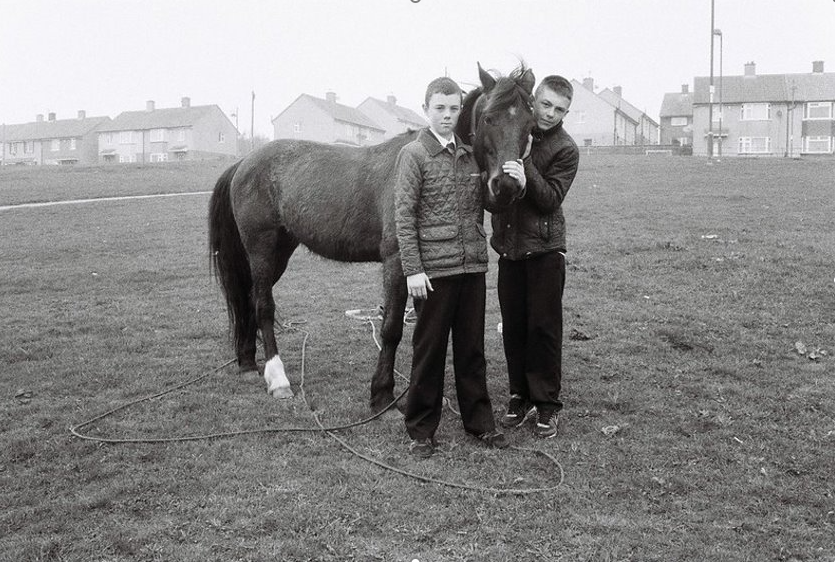
Traditional research outputs often fail to reflect the lived experience of communities, particularly in areas like Holme Wood where socioeconomic and health inequalities are complex and deeply rooted. Researchers and community partners needed a way to identify and respond to what really matters to the community itself, rather than impose external priorities.

Working with communities
Within the ActEarly: Holme Wood programme, we developed an innovative co-production approach that blended data science with community engagement, grounded in the principles of equality, agency, and reciprocity. Community members, researchers, artists, and local practitioners dined together in creative food-centred gatherings and discussion events where lifestyle choices, health, and neighbourhood became the lens for shared enquiry and storytelling.
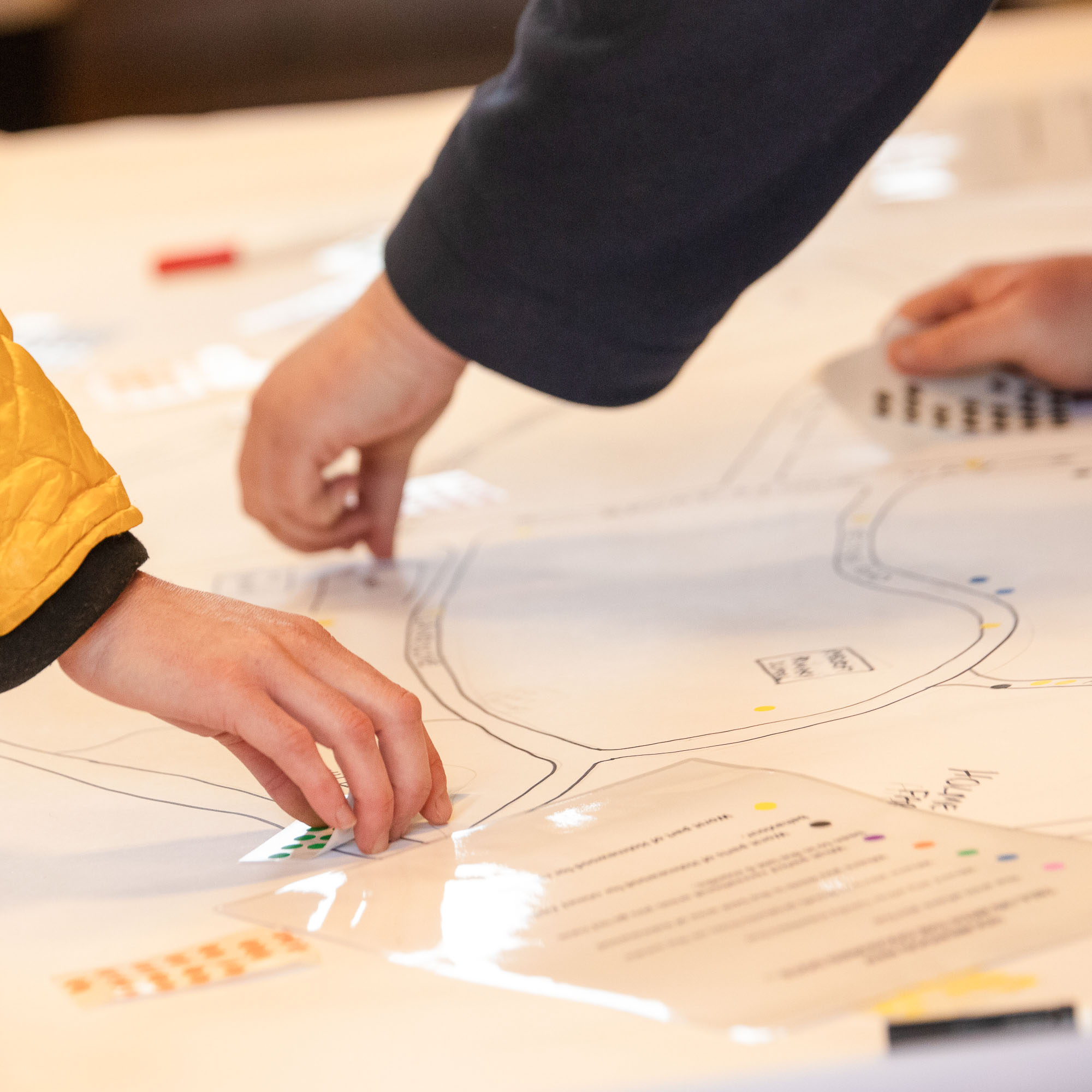
The place-based community cookbook is a practical tool which translates conversations about education, diet, public safety, and wellbeing into recipes for change. The story framework was built around the cookbook recipe format. Over three meal events, the residents mapped the issues which they wanted to address, including the critical local ingredients of people and places. The fourth meal devised a cooking method, with contributions from local artists, health/education provision, councillors, police, Department for Education and academic researchers from University of Leeds. They refined the process with realistic timescales, and nuanced advice to negotiate bureaucracy. The final meal shared the results with the residents.
Research impact
The public health questions of the research became rooted in local lived experience rather than abstract metrics following the cookbook process. It identified community-driven needs as priority issues linked to health data, behaviours and environmental factors. It deepened trust and participation among Holme Wood residents by using their expertise and storytelling as research data. Following the sessions, residents organised an association to devise more recipes.
The shared language and community-generated insights informed discussions with policymakers and service planners about more effective, people-centred interventions. The recipes enabled critical knowledge to travel from the bottom to top and back again, without long-held tensions.
Working Together
Want to explore co-production methods like community cookbooks to make your research richer, more grounded and enable local insights to move without friction?
Book a meeting with us now.